Current Theme: mobile
Profile: N/A
Account: [N/A]
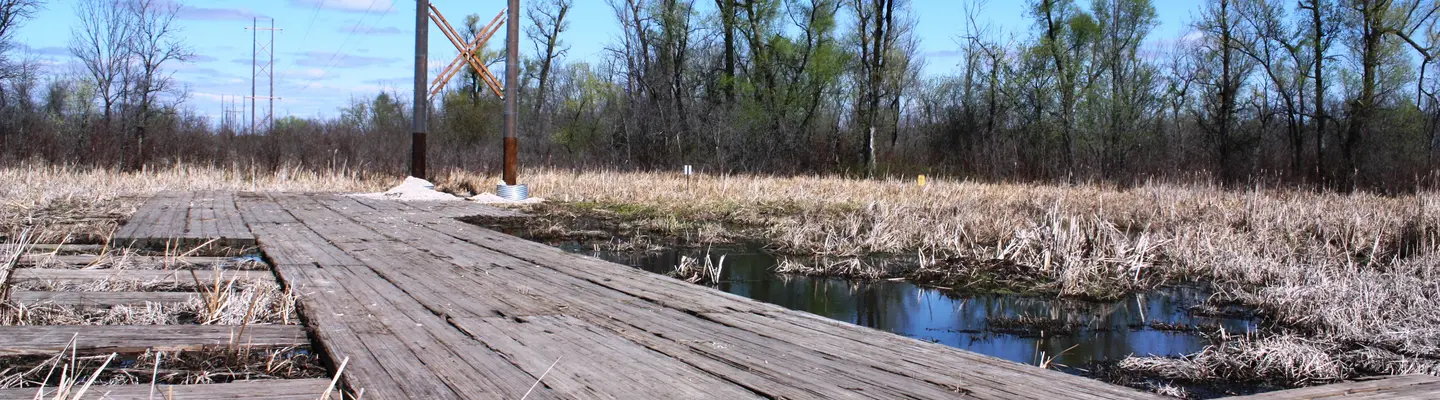
Ground protection mats help reduce site impact, improve access and support safer, more sustainable jobsite performance.
Article Updated on: October 15, 2026
Project success today is measured by more than schedule and budget. Environmental performance is now a core jobsite priority, and it requires practical solutions that work in real-world conditions.
Ground protection mats play a critical role in sustainable construction. By creating stable, temporary surfaces, environmental matting reduces soil disturbance, protects sensitive terrain and keeps crews and equipment moving safely and efficiently. The result: lower site impact without sacrificing productivity.
Construction sites are high-traffic environments with constant movement of heavy equipment and personnel. Without proper ground protection, this activity can lead to soil compaction, rutting and vegetation damage.
Compaction is especially problematic. It reduces the soil’s ability to absorb water, increasing runoff and the risk of erosion that can impact nearby waterways.
Environmental matting helps prevent this damage before it starts. By distributing weight across a wider surface area, mats minimize ground pressure and protect underlying soil conditions. This is especially important in sensitive areas like wetlands, soft soils or landscaped environments where restoration is costly and time-consuming.
No two jobsites are the same. Terrain, weather conditions and equipment demands all influence the right ground protection strategy.
A range of matting solutions allows contractors to match performance to site conditions:
Choosing the right combination of mats helps balance access, protection and efficiency across the jobsite.
Traditional timber mats provide reliable support, but composite mats offer additional performance and sustainability advantages.
Made from materials like high-density polyethylene (HDPE), composite mats are engineered for durability, reuse and consistency across multiple projects.
Unlike timber hardwood, HDPE is non-porous and resistant to water absorption, rot and splintering. This reduces the risk of mats transferring contaminants or invasive species between jobsites— an important consideration for environmental compliance.
Composite mats are also easier to clean, transport and redeploy, making them a practical option for contractors focused on efficiency and long-term value.
Feature | Timber Mats | Composite Mats |
|---|---|---|
Material | Solid or laminated wood | High-density polyethylene (HDPE) |
Best used for | Supporting cranes, heavy equipment and vehicle traffic on uneven terrain | High-traffic areas, including access roads, pads and walkways |
Durability | Reliable support, but prone to rot and splintering over time | Non-porous and resistant to water absorption, rot and splintering |
Reusability | Limited reuse due to wear from moisture and heavy loads | Engineered for durability and reuse across multiple projects |
Environmental consideration | Can retain moisture and transfer contaminants between jobsites | Reduces risk of transferring contaminants or invasive species |
Maintenance | Requires more frequent inspection and replacement | Easier to clean, transport and redeploy |
Ground protection mats deliver measurable benefits across safety, performance and environmental impact. These benefits include:
Sustainable construction doesn’t have to be complex. Often, it comes down to making smart, practical decisions on the jobsite.
Environmental matting is one of the most effective ways to reduce site impact while maintaining productivity. It supports safer operations, protects the terrain and helps contractors meet environmental expectations without slowing progress.
By integrating ground protection into your site plan from the start, you create a more controlled, efficient and responsible jobsite with optimized performance.