FAQs About Material Handling Equipment Hire
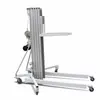
Material handling equipment in this range covers load-only lifts that raise tools, ducting and materials safely to height where a person should not, or need not, be lifted with the load. The right machine depends on the height you need to reach, the weight of the load, and how tight the access is on site. Light manual duct lifters suit ceiling-height installs that one person can wheel into place, while powered material lifts handle heavier loads to greater height in warehouses, data centres and indoor fit-outs. Learn more in our FAQ section below.
A material lift is a load-only machine that raises tools, ducting, panels and materials to height so they can be installed or positioned safely. A duct lifter is the lightest type, built to be wheeled through doorways and set up by one person for ceiling-height work, while powered material lifts use an electric drive to raise heavier loads to greater height. No one rides the machine; the load sits on the lifting carriage.
Both lift loads rather than people, and the difference is mostly scale. A duct lifter is light and manually operated, ideal for ceiling-height installs that one person can wheel into place. A powered material lift uses an electric drive and a larger carriage to raise heavier loads, up to several hundred kilograms, to greater height in warehouses, data centres and indoor fit-outs. Choose a duct lifter for nimble overhead installs and a material lift for heavier or higher loads.
No high-risk work licence is required, because these machines lift materials only and carry no personnel, so the boom-type elevating work platform licence does not apply. Operators should still be trained in safe use, and most commercial sites require a site induction and verification of competency before any equipment is operated. Powered material lifts should be used in line with the relevant requirements of AS 1418.10. Always check your site rules before operating.
Yes. United Rentals offers flexible hire periods from a single day through to long-term hire over weeks, months or years. Short-term hire suits one-off duct or ceiling installs, while long-term hire suits ongoing fit-out and construction projects where a lift is needed on site for an extended period. Long-term hire often comes with better daily rates and the option to swap machines if your requirements change.